
ultrabook compare to a laptop with loudspeakers
Ultrabooks and traditional laptops with loudspeakers cater to different user needs, with ultrabooks prioritizing portability and efficiency, while laptops with loudspeakers focus on delivering better audio performance. As the global laptop market continues to expand, ultrabooks have gained popularity due to their slim designs and lightweight construction. However, this emphasis on compactness often means compromises in speaker quality and overall audio output compared to traditional laptops that feature larger, more powerful loudspeakers.
Ultra-thin and lightweight laptop with loudspeakers under three pounds have become increasingly desirable, with over 60% of users preferring such devices for their convenience. Ultrabooks are designed to be sleek and easy to carry, making them ideal for professionals who need mobility. However, their slim form factor limits the space available for larger speaker components, which can affect loudness and sound depth. In contrast, a laptop with loudspeakers is typically designed with more room for speaker enclosures, resulting in richer, more powerful audio.
The rise of 2-in-1 laptops, now accounting for over 25% of the premium market, has further influenced consumer preferences. Many ultrabooks fall into this category, offering versatility with touchscreen and convertible designs. While this flexibility benefits users who need a multipurpose device, the sound quality in these ultrabooks often lacks the depth and volume found in laptops with dedicated loudspeakers. Traditional laptops designed with better audio hardware cater to users who prioritize loud and immersive sound, such as public speakers, multimedia professionals, and gamers.
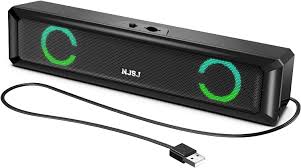
How does an ultrabook compare to a laptop with loudspeakers?
Battery life remains a crucial factor, with over 90% of speakers considering 10 hours or more as a key requirement. Ultrabooks are known for their energy efficiency, often achieving extended battery life due to their low-power processors and optimized components. However, this efficiency can come at the expense of speaker power, as manufacturers prioritize longer usage over high-powered audio output. A laptop with loudspeakers, on the other hand, may consume more battery when playing audio at high volumes but generally provides superior sound performance.
High-resolution displays of 2K or 4K are preferred by over 75% of users for their clarity and wide viewing angles. Ultrabooks frequently incorporate high-quality screens to enhance user experience, making them excellent for content consumption and professional work. However, great visuals should be complemented by equally good sound, which is where ultrabooks often fall short. Laptops with loudspeakers are built with superior audio tuning and dedicated sound processing technologies, providing a more balanced multimedia experience.
Apple MacBooks and premium Windows laptops from Dell, HP, and Lenovo dominate the market, accounting for over 80% of sales. Many of these brands offer both ultrabooks and traditional laptops with loudspeakers, allowing users to choose based on their specific needs. While ultrabooks shine in portability and battery efficiency, a laptop with loudspeakers is often the better choice for those who require powerful, high-quality audio. As technology advances, some ultrabooks are improving their speaker quality, but they still generally lag behind traditional laptops in terms of loudness and overall sound richness.
